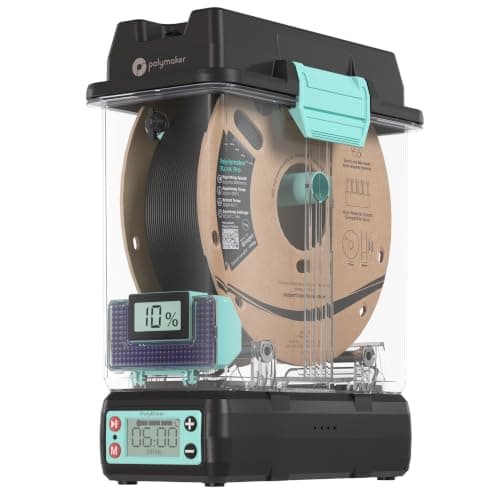
A dryer fixes a wet spool. A dry box stops the spool getting wet again during the twenty hours it spends feeding the printer, which is the failure a dryer alone does not address.
How this page is funded. Buy links go to Amazon and we earn a commission on qualifying purchases at no extra cost to you. Commission never decides an order or a score, we accept no free products or sponsored placements, and every roundup names something to skip. Full disclosure.
The picks, ranked
The picks, ranked
#
Product
Best for
Score
Price
1
Polymaker PolyDryerStorage and active drying in the same enclosure, which is the shape the problem actually has.Modular box with detachable heater
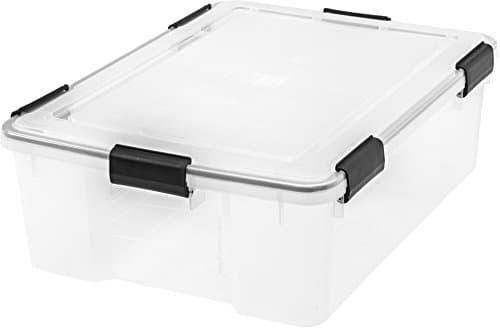
Airtight Weathertight Storage BoxA gasketed tub, a bearing or two, a grommet and desiccant makes a better dry box than most bought ones.Gasketed weathertight box
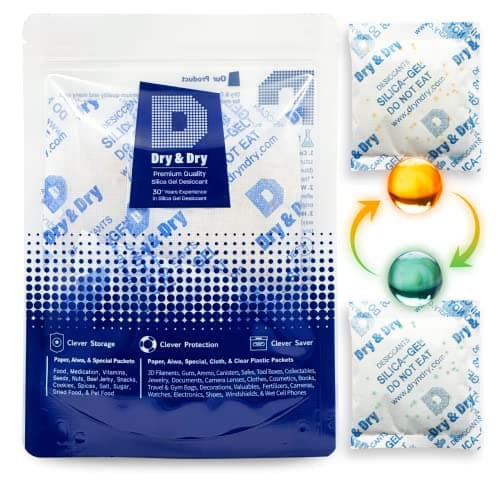
Indicating Silica Gel Desiccant PacketsThe box is a container. The desiccant is the mechanism, and the indicating kind is the one you will actually maintain.Color-indicating, regenerable
Live prices verified October 17, 2026. Scores are our own fit rating for the stated use, not a measurement and not a customer rating.
Sealed storage boxes on a workshop shelf.
How long a freshly dried spool stays print-ready, by the humidity of the room it sits in.
Ambient humidity
How long it stays dry
What that means in practice
Below 20% RH (sealed box with desiccant)
2-7 days
The published storage target for most filaments
About 55% RH (ordinary indoor air)
2-12 hours
Enough moisture to affect print quality, depending on how hygroscopic the type is
How long a freshly dried spool stays print-ready, by the humidity of the room it sits in. Both figures are Bambu Lab's, published as ranges across filament types rather than per material. Figures from Bambu Lab Wiki, retrieved 2026-09-01.
The problem a dry box solves
Bambu Lab publish 2 to 12 hours of print-readiness for a dried spool sitting in ordinary indoor air at around 55 percent relative humidity Bambu Lab Wiki. A long print takes longer than that.
So for hygroscopic materials there is a category of failure that drying cannot prevent: the spool starts the print dry and finishes it wet, and the last third of the print is visibly worse than the first. If you have printed a tall nylon or TPU part and watched the surface quality degrade with height, that is what you were seeing.
Building versus buying
What a bought dry box gives you
Active heat, usually. A box that only seals is a storage box; a box that heats is holding the spool actively dry rather than merely stopping it getting wetter. Prusa's own dry box design documents this distinction Prusa Research, and Polymaker's modular unit separates the two so you can use it either way.
You also get a filament pass-through that seals, which is harder to get right than it looks — an open hole undoes the whole box.
What building your own gives you
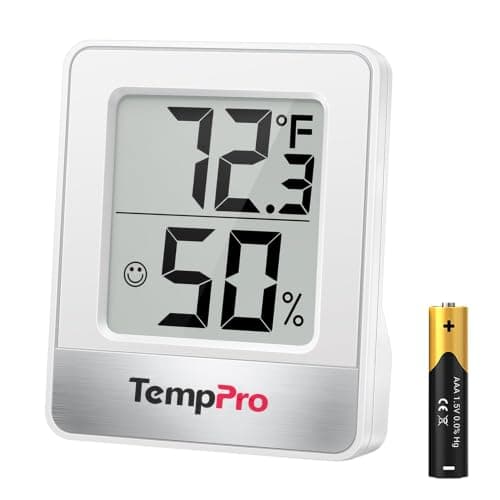
Capacity per dollar, and the exact size you need. A gasketed weathertight tub, two bearings or a printed spool holder, a PTFE pass-through in a grommet, a generous quantity of indicating silica gel and a hygrometer visible through the lid. This is the setup most people should build, and it costs a fraction of a bought unit.
What it does not do is heat. For nylon that matters; for PETG in a normal room it usually does not.
The pass-through is the part people get wrong
A dry box with a filament hole in it is a box with a hole in it. Desiccant will keep fighting the ingress and losing, and the hygrometer will show it.
Use a PTFE tube through a rubber grommet rather than an open hole. The filament passes through the tube and the tube seals the wall.
Keep the tube short inside the box. A long internal run adds drag on the extruder for no benefit.
Angle the exit so the filament does not rub the grommet edge. Rubbing generates dust and adds friction.
Tubing quality matters here more than most places — see PTFE and spares.
Let the spool spin freely
A spool that binds inside the box causes under-extrusion partway through a print, and the symptom looks exactly like a clog. Bearings or a printed roller are worth the trouble; a spool sitting on the bottom of a tub and dragging is not a dry box, it is a trap.
Multi-material systems as dry boxes
A sealed multi-material enclosure with desiccant is a good storage box for the spools inside it, and it is not a dryer. Bambu's newer hardware adds an actively heated drying function precisely because the passive enclosure was not doing that job Bambu Lab Wiki.
If you print PLA and PETG through a passive system, that is fine — the enclosure is doing the storage job well. If you want to print nylon through it, the heated version or a separate dry box is what the published figures point to.
Every pick, in detail
01
Polymaker PolyDryer
Polymaker
Drying and feeding from one unit · 8.6/10 our fit score
A modular dry box with a detachable heater, from the only filament brand here that publishes data sheets. Storage first, drying second.
Published specifications for Polymaker PolyDryer
Max temperature
70 C
Design
Modular sealed box plus detachable heating unit
What it does well
The boxes work as sealed dry storage without the heater attached, so one heater serves several spools
A sensible answer to the real problem, which is keeping filament dry rather than repeatedly rescuing it
What it does not
70 C ceiling, so nylon and polycarbonate are out
Per-spool cost climbs quickly once you buy enough boxes to matter
Both do different jobs. A dryer removes water already in the filament; a dry box stops the spool absorbing more while it feeds the printer. For PLA and PETG a dryer plus vacuum bags is usually enough. For nylon you want both.
+ − Can I build a dry box myself?
Yes, and it is usually better value than buying one. A gasketed weathertight tub, spool bearings, a PTFE pass-through in a grommet, plenty of indicating desiccant and a hygrometer. What you give up is active heating.
+ − Is a sealed multi-material enclosure a dry box?
It is a good storage box and not a dryer. Passive desiccant lowers the humidity around the spools but does not remove water already in the filament, which is why heated drying functions exist as a separate feature.