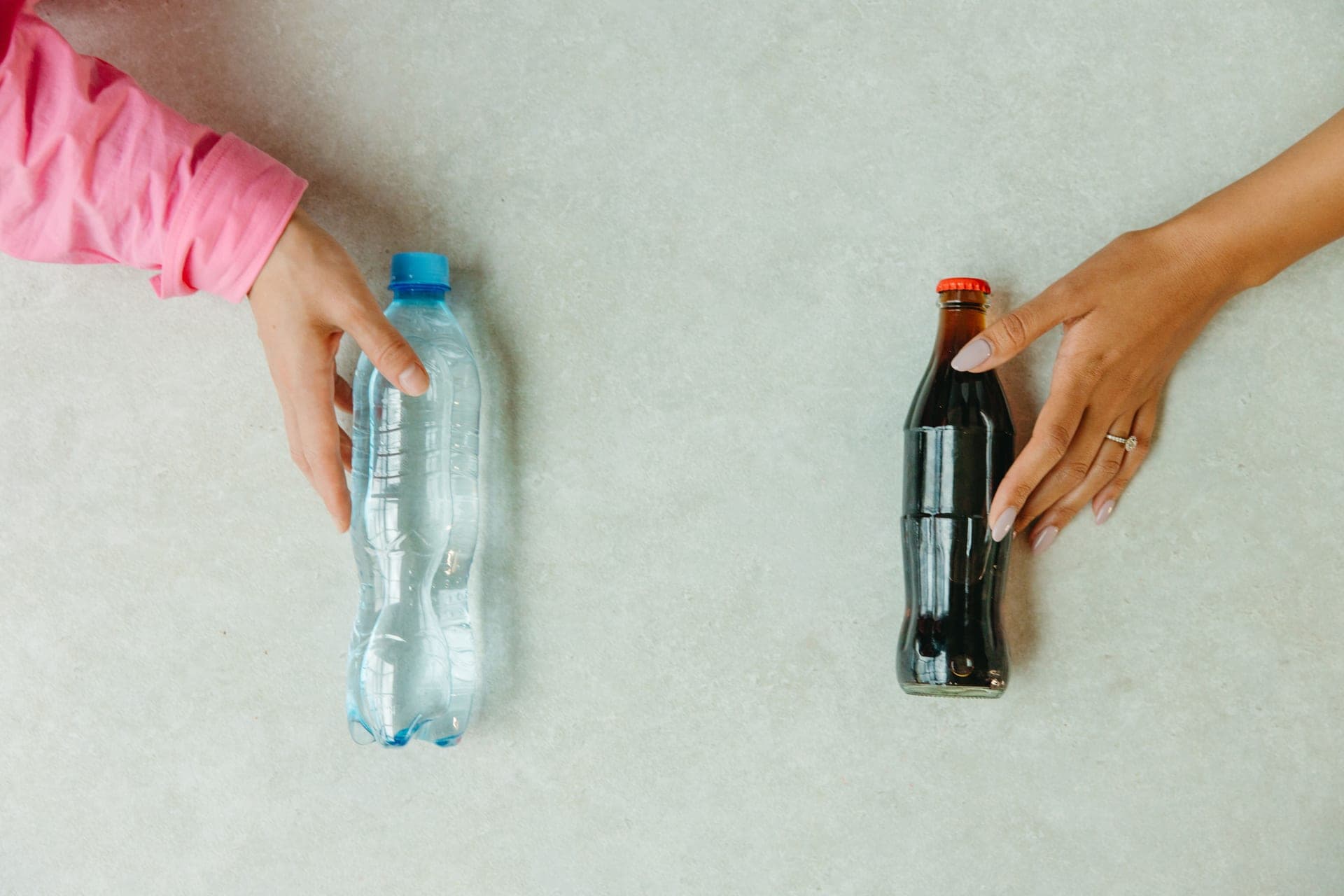
PLA or PETG
PLA versus PETG
The most common upgrade decision. What changes when you switch, and the two costs nobody mentions.
Top pick: SUNLU PLA+
$12.23 on Amazon#ad disclosure · price as of October 17, 2026
One table with every common material's published printing parameters, sourced to the manufacturer rather than assembled from forum posts. Every row links to the material it describes.
The ranges above are Prusa Research's published figures for each material class Prusa Research. They are envelopes, not recommendations: your specific spool will have a narrower window inside them, published by its own manufacturer.
Three columns do most of the work.
Moisture sensitivity is not in the printing-parameters table and it decides more outcomes than most of the columns that are. Prusa and Overture publish per-material drying figures and disagree on several of them Prusa Research Overture; both sets are below.
The important reading: the temperatures rise steeply for engineering materials, and several popular consumer dryers cannot reach the top of the range. If nylon is in your plans, that number decides which dryer to buy — see filament dryers.
The third table is the one people find out about too late. Filled filaments abrade brass nozzles, and E3D document substantial wear within a few hundred grams E3D. The failure is invisible: the bore widens, prints drift dimensionally, and every symptom looks like a calibration problem — see the nozzle wear guide.
A table shows you where materials sit. A head-to-head answers the question you actually have. The ones people ask most:
PLA or PETG
The most common upgrade decision. What changes when you switch, and the two costs nobody mentions.
Top pick: SUNLU PLA+
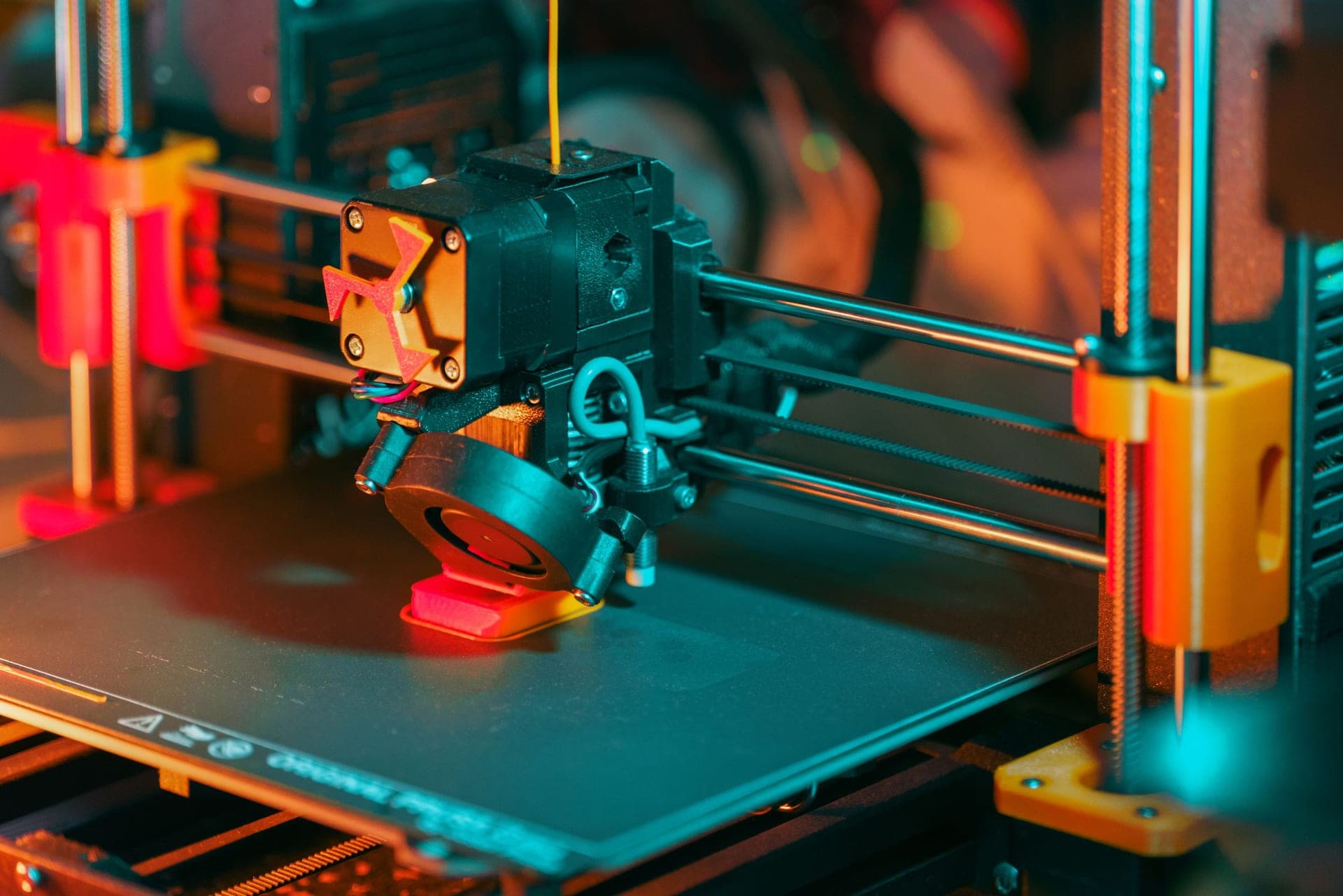
Filament or resin
Different machines, not different settings. What each is genuinely better at.
Top pick: ELEGOO ABS-Like Resin
PETG or ABS
The comparison is really about the enclosure. What ABS gives you for it, and why ASA usually wins instead.
Top pick: Overture PETG
PLA or ABS
The classic comparison, and why PETG or ASA is usually the real answer now.
Top pick: SUNLU PLA+
ABS or ASA
Nearly identical requirements, one clear winner outdoors, and the single case where ABS still wins.
Top pick: Polymaker PolyLite ASA
PLA or TPU
Rigid versus flexible, and the one hardware question that decides whether TPU is even possible.
Top pick: Polymaker PolyFlex TPU95
PLA or ASA
Indoor easy versus outdoor durable. Almost no overlap, and one clear rule.
Top pick: Polymaker PolyLite ASA
PLA or PLA+
No standard behind the name, one consistent real benefit, and two things it does not change.
Top pick: SUNLU PLA+
PETG or PCTG
A close relative sold at a premium. What is verifiable about the difference and what is not.
Top pick: Overture PETG
PETG or ASA
ASA for permanent outdoor parts, PETG for everything else. What the enclosure requirement really costs.
Top pick: Polymaker PolyLite ASA
PLA-CF or PETG-CF
Same filler, different polymer. Heat decides it, and the hardened nozzle is not optional for either.
Top pick: Hardened Steel Nozzle
PETG or nylon
Nylon is tougher when dry. PETG is tougher than a wet nylon print, and far easier to own.
Top pick: Overture PETG
Head to head
Same requirements, different ceilings. PC buys roughly 40 C of heat resistance for a hotter hotend and a harder print.
Top pick: Polymaker PolyMax PC
PLA, PETG, ABS, ASA, TPU, nylon and polycarbonate cover almost all consumer printing, with carbon and glass filled variants of several of them. The table above gives each one's published printing parameters and what it is noted for.
PLA, by a wide margin. It has the lowest published temperature range, needs no enclosure, warps very little and tolerates moisture better than anything else here.
Prusa Research mark ABS, ASA, polycarbonate and polyamide as enclosure recommended. PLA, PETG, PP and flexible materials are not marked as requiring one.
Anything with a filler: carbon fiber, glass fiber, metal-filled and glow-in-the-dark. E3D document substantial brass wear from abrasives within a few hundred grams. Unfilled PLA, PETG, ABS, ASA and TPU are fine on brass.
Scooter M. · Enthusiast
I'm Scooter, an enthusiast who's genuinely into this. I read the manuals, compile the published specs, and do the math. No lab coat.
About · How we choose · Last reviewed