PCTG is a close relative of PETG marketed on clarity and toughness. Some of that is real. Because published consumer data on it is thin, this page is careful about what it claims.
How this page is funded. Buy links go to Amazon and we earn a commission on qualifying purchases at no extra cost to you. Commission never decides an order or a score, we accept no free products or sponsored placements, and every roundup names something to skip. Full disclosure.
The picks, ranked
The picks, ranked
#
Product
Best for
Score
Price
1
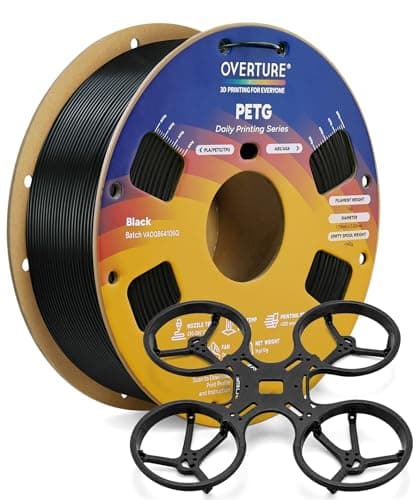
Overture PETGCheap, stocked everywhere, and backed by far more published guidance than PCTG.215-270 C, widely documented
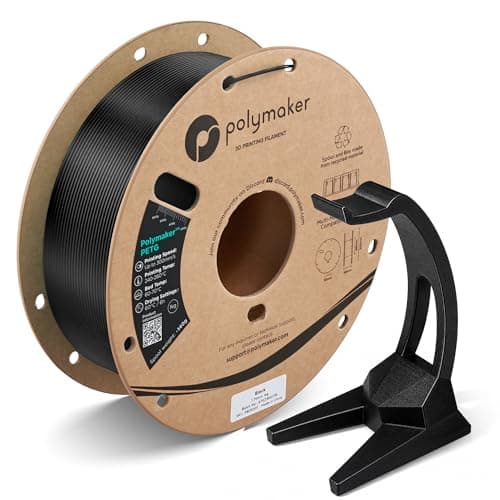
Polymaker PolyLite PETGIf you are considering paying a premium in this material class, this is the better-documented place to spend it.Published data sheet
Published drying temperatures and times. Prusa Research and Overture disagree on several materials; both figures are shown rather than averaged. A dash means that manufacturer does not publish a figure for that material. Where they differ, the lower temperature for longer is the safer starting point. Figures from Prusa Research, Overture, Prusa Research, retrieved 2026-09-06.
What PCTG is
Both PETG and PCTG are glycol-modified copolyesters — closely related polymers with different modifications. PCTG is marketed on two claims: better optical clarity, and better impact toughness.
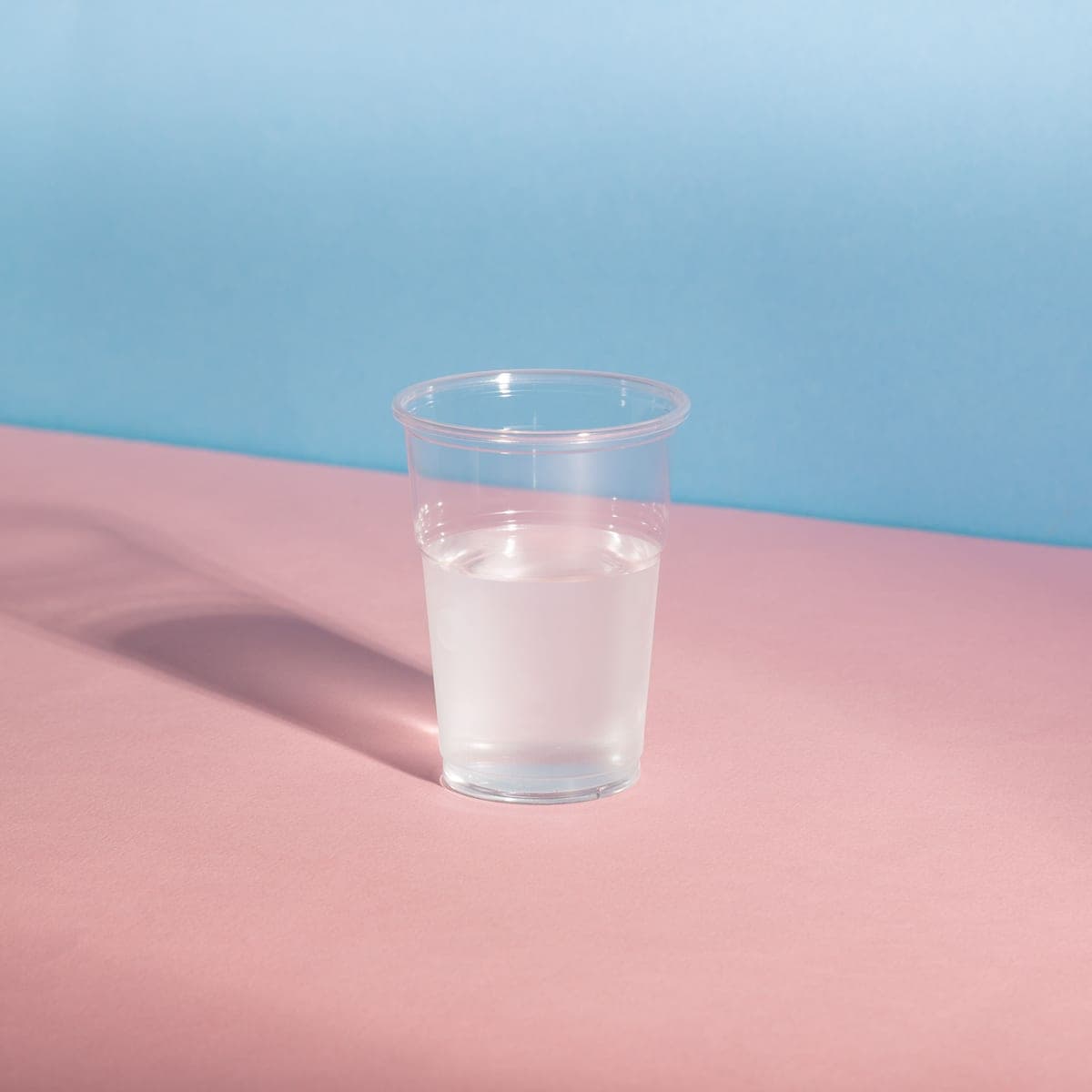
The clarity claim is the one most visible in practice. If you have printed clear PETG and been disappointed by how cloudy it came out, PCTG is the material sold to address that.
What is verifiable
Both print in a similar window. PCTG generally wants the hotter end of PETG's published 215 to 270 C range Prusa Research, and neither requires an enclosure.
Both are hygroscopic and both need drying. PETG's published figures are 55 C for six hours from Prusa and 65 C for seven from Overture Prusa ResearchOverture; PCTG behaves similarly.
PCTG costs more, typically noticeably so.
PETG has far more published guidance behind it, which has real practical value when a print goes wrong and you need a documented baseline to compare against.
The clarity case
Printed transparency is mostly a printing problem rather than a material one. Layer boundaries scatter light, and getting a genuinely clear print requires printing hot, slow, with wide extrusions, and ideally with a layer height and wall arrangement chosen so the part is effectively solid with no internal boundaries.
A better base clarity helps, but it does not substitute for that technique. If your clear PETG prints look cloudy and you have not tuned for transparency, the material change is unlikely to be the fix you are looking for.
When PCTG might be worth it
Clarity is the point of the part and you have already tuned for it in PETG.
You have hit PETG's impact limit in a specific part and do not want to move to a harder material.
The price gap does not matter for the job.
Where we would look first
If the goal is toughness, the honest recommendation is to check whether the failure is a material problem at all. Orientation and wall count change part strength more than any move within the copolyester family — see how strong PLA is, whose reasoning applies to every fused-filament material.
If PETG genuinely is not tough enough, the meaningful step up is nylon or a filled composite, not a close relative of the same polymer.
Every pick, in detail
01
Overture PETG
Overture
The default · 8.8/10 our fit score
The PETG most people should start with: forgiving on temperature, widely stocked, and cheap enough to learn on.
It is marketed as clearer and tougher, and the clarity difference is the more visible one. We have not found published consumer data equivalent to what exists for PETG, so we are not going to publish a mechanical comparison we cannot source.
+ − Does PCTG print the same as PETG?
Similarly, generally wanting the hotter end of PETG's published 215 to 270 C range. Neither needs an enclosure and both need drying.
+ − How do I get clearer prints?
Print hot, slow, with wide extrusions, and arrange walls so the part is effectively solid with no internal boundaries. Clarity is mostly a printing problem; the material choice helps at the margin.