You do not need Bambu's own filament. What you give up by using third-party PLA is automatic material recognition, and what you get back is roughly half the price per kilogram. Here is how to make the swap cleanly.
How this page is funded. Buy links go to Amazon and we earn a commission on qualifying purchases at no extra cost to you. Commission never decides an order or a score, we accept no free products or sponsored placements, and every roundup names something to skip. Full disclosure.
The picks, ranked
The picks, ranked
#
Product
Best for
Score
Price
1
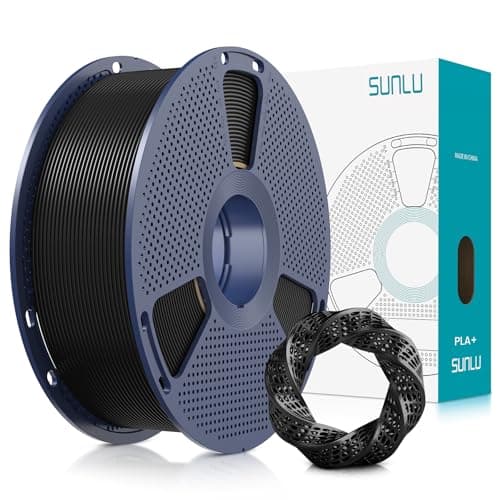
SUNLU PLA+Cheap enough that you stop rationing color changes, and tough enough that AMS-driven multicolor prints survive handling.1 kg spool, PLA+ grade
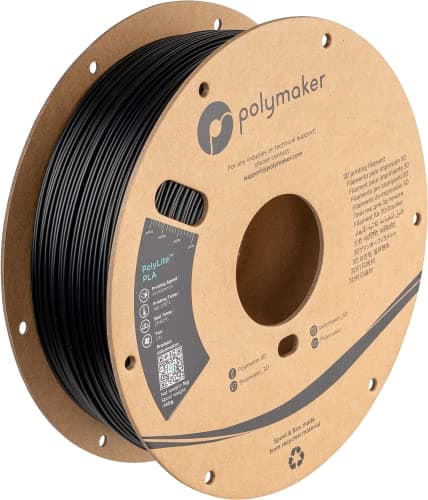
Polymaker PolyLite PLAMulti-spool prints magnify variation between spools, which is exactly the thing Polymaker charges for controlling.Published data sheet
Bambu Lab PLA BasicThe convenience is real and so is the price. Worth it for a first spool while you learn the machine, hard to justify by the tenth.RFID spool recognition
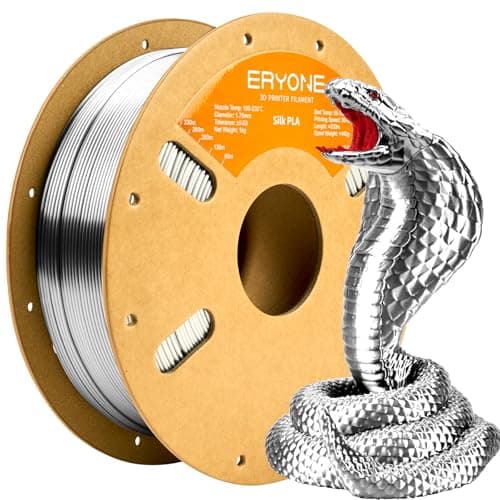
ERYONE Silk PLASilk filament in a multi-material system compounds two stringing problems. If you want silk, print it single-color from an external spool holder.Silk finish, high stringingSkip this
Live prices verified October 16, 2026. Scores are our own fit rating for the stated use, not a measurement and not a customer rating.
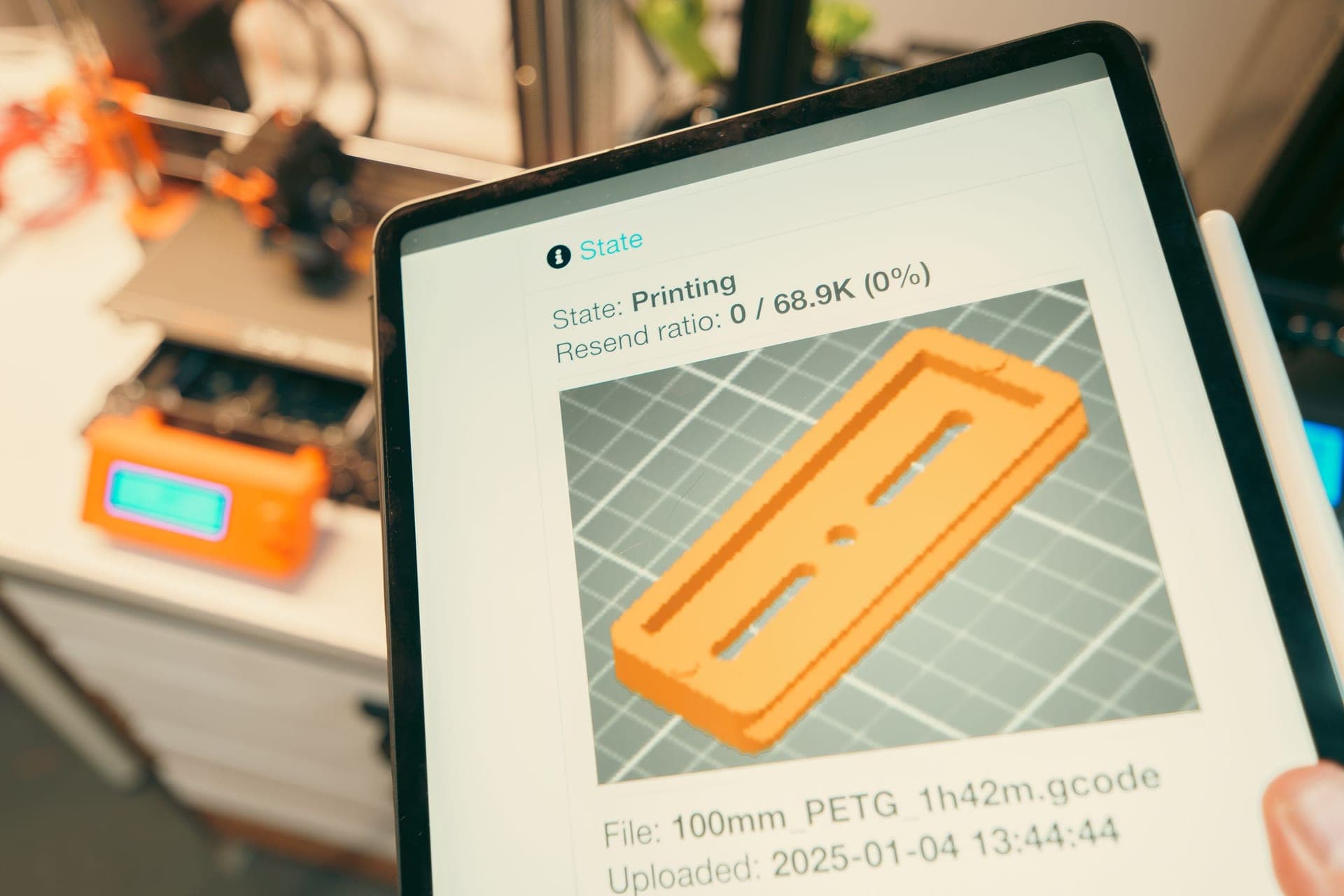
A 3D printer control screen showing print settings.
What the RFID tag is actually doing
Bambu's own spools carry an RFID tag that tells the printer what material is loaded, what color it is, and roughly how much is left. That is genuinely convenient: the slicer profile is selected for you and the AMS knows which slot holds what without you telling it.
It is also the entire difference. A third-party spool prints exactly as well; you set the material type in the AMS manually once when you load it, and the machine behaves identically from then on. The thing people fear — that the printer will refuse non-Bambu filament — does not happen. What you lose is the automatic step and the remaining-length estimate.
The one thing that genuinely goes wrong: spool fit
The AMS has a physical envelope, and not every third-party spool fits it. The failure is mechanical, not electronic: an oversized spool binds in the slot, and a spool with a rough or wide hub can drag enough to cause under-extrusion partway through a print. Before buying a case of anything, buy one spool and check it seats and spins freely.
Cardboard spools are the other recurring problem. They shed fibrous dust, and in an AMS that dust has more places to accumulate than on a simple spool holder. Plastic spools are the safer default here even when a cardboard version is a dollar cheaper.
The refill option
Bambu sell refill spools designed to sit on a reusable core, which removes the fit question entirely and reduces the plastic waste. If you have settled on a color you buy repeatedly, this is usually the cheapest way to stay inside the ecosystem.
Drying inside the AMS
The AMS is a sealed enclosure with desiccant, which makes it a good storage box and a poor dryer — desiccant lowers the humidity around a spool but does not drive water out of the filament. Bambu's newer hardware adds an active drying function with published temperature settings Bambu Lab Wiki, which is a different thing entirely and does dry filament.
For PLA specifically this rarely matters. For PETG, TPU and nylon it matters a great deal, and a standalone dryer is usually the better answer than trying to make the AMS do the job — see filament dryers.
Settings when you leave the ecosystem
Bambu Studio's generic PLA profile is a reasonable starting point for any third-party spool. Two adjustments are usually worth making:
Run a temperature tower on the first spool of a new brand. The generic profile is tuned for Bambu's own PLA and other brands often want five to ten degrees in one direction.
Check flow rate if you see over-extrusion on the first layer. Diameter tolerance varies more between budget brands than between premium ones, and flow calibration absorbs that.
Our PLA settings page covers the full calibration sequence, and it applies to Bambu machines without modification.
The equivalent page for the other big installed base — where a Bowden extruder and an open frame set the limits instead of an AMS — is best filament for the Ender 3.
Every pick, in detail
01
SUNLU PLA+
SUNLU
Best value in an AMS · 9.0/10 our fit score
The cheapest filament we would load without flinching, and the reason most people never need to spend more.
+ − Will a Bambu printer reject third-party filament?
No. Non-Bambu spools print normally. You set the material type in the AMS manually when you load the spool instead of the RFID tag doing it for you, and you lose the remaining-length estimate. That is the whole difference.
+ − Do all spools fit the AMS?
No, and this is the real compatibility issue rather than the RFID tag. Oversized spools bind in the slot and rough hubs can drag enough to cause under-extrusion partway into a print. Buy one spool of a new brand and check it seats and spins freely before buying more.
+ − Can the AMS dry filament?
The standard AMS is a sealed desiccant box, which stores filament well but does not dry it. Bambu's newer hardware adds an actively heated drying function with published settings, which does. For PLA the distinction rarely matters; for PETG, TPU and nylon it matters a lot.