PLA does not dissolve in water and a solid PLA part will sit in a bucket indefinitely without falling apart. But a printed part is not the same as the material, and outdoors the thing that destroys PLA is not water at all.
How this page is funded. Buy links go to Amazon and we earn a commission on qualifying purchases at no extra cost to you. Commission never decides an order or a score, we accept no free products or sponsored placements, and every roundup names something to skip. Full disclosure.
The picks, ranked
The picks, ranked
#
Product
Best for
Score
Price
1
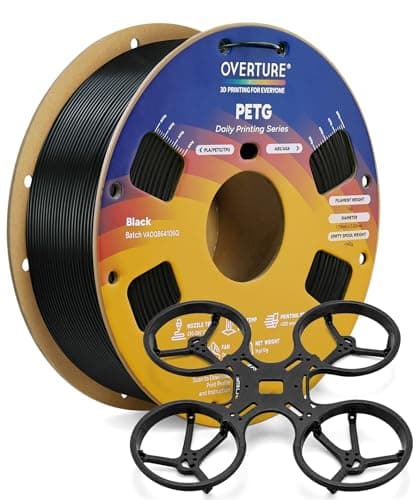
Overture PETGThe straightforward upgrade for anything holding water or living outside for a season.215-270 C nozzle, 70-90 C bed
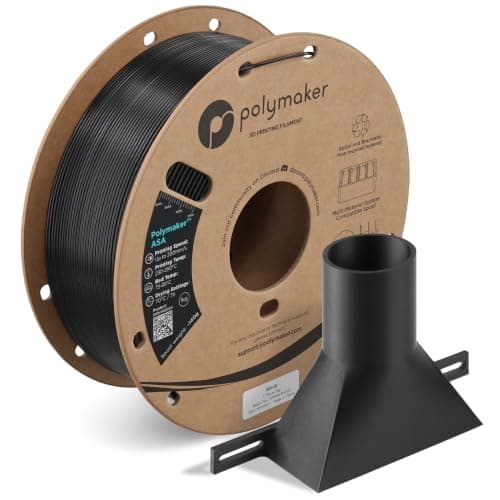
Polymaker PolyLite ASAWhen the part is going outside and staying there, UV stability is the property that matters and this is the material that has it.UV and weather resistant
Live prices verified October 17, 2026. Scores are our own fit rating for the stated use, not a measurement and not a customer rating.
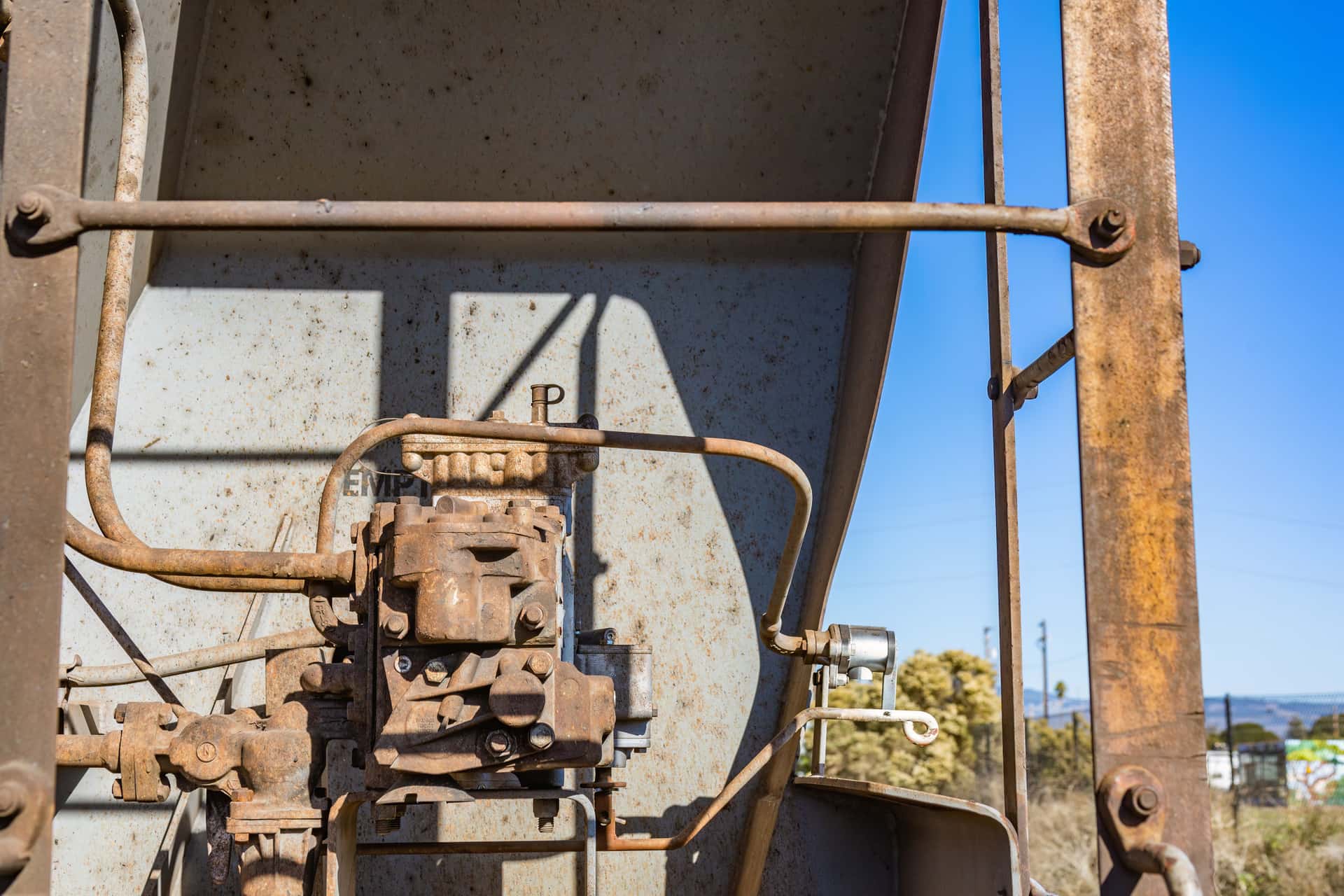
A weathered plastic object outdoors in direct sunlight.
The material versus the print
Two different questions get asked as one. Is the polymer affected by water, and is the object watertight? They have different answers.
The polymer
PLA is a polyester and it does not dissolve in water at room temperature. Submerge a solid piece of PLA and nothing dramatic happens. It does slowly hydrolyze — that is the mechanism behind its compostability claims — but that process needs heat, humidity and time on the scale of industrial composting conditions, not a week in a bucket.
The print
A 3D printed part is built from extruded lines pressed against each other, and unless you have specifically printed for water tightness, there are microscopic channels between them. Water finds them. A printed PLA cup will seep, not because PLA absorbs the water, but because the object has paths through it.
Why PLA fails outdoors, and it is not the rain
People conclude PLA is not waterproof after leaving a part outside and finding it deformed and brittle a few months later. Water was not the agent. Two other things were.
Heat. PLA softens at a lower temperature than any other common printing material. A dark part in direct summer sun reaches temperatures well above ambient air, and it sags. This is the single most common outdoor PLA failure.
Ultraviolet light. UV breaks down the polymer chains at the surface, which is what turns an outdoor print chalky and brittle. No amount of sealing stops UV reaching the surface.
Both of those are material properties, and both are why the correct answer for an outdoor part is a different material. ASA exists precisely because ABS goes yellow and chalky in sunlight, and Prusa list ASA's headline property as UV and chemical resistance Prusa Research. That is the material to use, and the outdoor filament guide works through the choice between it and PETG.
What this means in practice
Indoors, occasionally damp? PLA is fine. A soap dish, a plant tray, a bathroom hook — none of these are a problem.
Holds water continuously? Use PETG and print for watertightness. PLA will seep and, over long exposure at warm temperatures, will slowly degrade.
Lives outside? Use ASA. If the part is shaded and you accept replacing it, PETG works for a season.
Goes in a dishwasher? Nothing on this list. A dishwasher combines heat, water and detergent, and PLA deforms in the first of the three.
The food-contact question
Waterproofing and food safety get conflated constantly and they are separate problems. The layer channels that let water seep also harbor bacteria that cannot be scrubbed out, which is the actual reason printed parts are a poor choice for repeated food contact — not the polymer. We cover this properly on is PETG food safe, because the same logic applies there and PETG is the material people usually ask about.
Every pick, in detail
01
Overture PETG
Overture
Parts that get wet · 8.7/10 our fit score
The PETG most people should start with: forgiving on temperature, widely stocked, and cheap enough to learn on.
UV resistance is the entire point and it is real — Prusa contrast it directly with ABS, whose outdoor parts "turn yellowish and more brittle over time"
Warps less and smells less than ABS at the same temperatures
What it does not
Needs an enclosure and a hot bed; this is not a material for an open printer in a cold room
More expensive per kilogram than the PETG that would do the job for many outdoor parts
No. PLA does not dissolve in water at room temperature. It hydrolyzes slowly under heat and humidity, which is the basis of its industrial compostability, but that is not what happens to a part in the rain.
+ − Can I make a printed PLA part watertight?
Partly, and it is a printing problem rather than a material one. Use four or more walls, a layer height well under the nozzle diameter, and a slightly hotter nozzle for better layer bonding. Expect to seal the surface for anything that must hold water reliably.
+ − Is PLA safe to leave outside?
Not for long. Heat softens it and ultraviolet light makes it brittle and chalky. Both are the polymer's properties rather than a printing defect. For outdoor parts, ASA is the material Prusa list as UV and chemical resistant.