A resin printer hands you a part covered in liquid resin. Washing, curing and disposing of it is not an afterthought — it is half the workflow, and the gloves are not optional.
How this page is funded. Buy links go to Amazon and we earn a commission on qualifying purchases at no extra cost to you. Commission never decides an order or a score, we accept no free products or sponsored placements, and every roundup names something to skip. Full disclosure.
The picks, ranked
The picks, ranked
#
Product
Best for
Score
Price
1
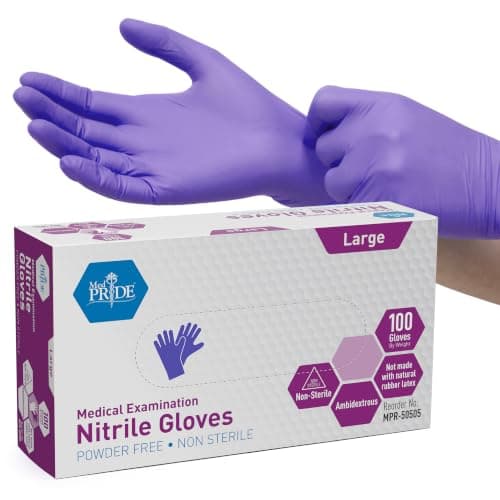
Nitrile Disposable GlovesFormlabs' safety guidance specifies non-reactive nitrile or neoprene for handling liquid resin. This is the first purchase, not the last.Nitrile, non-reactive
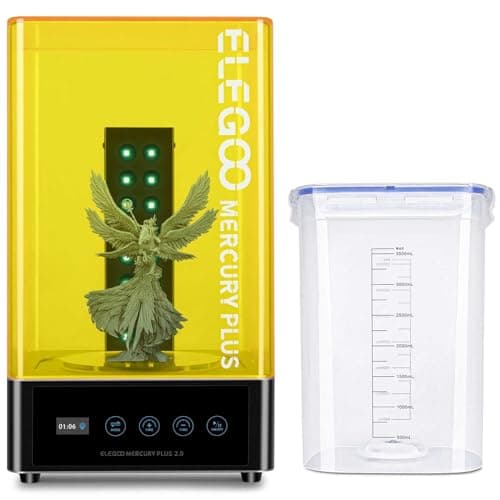
Wash and Cure StationTurns post-processing from a messy manual job into two timers, which is how it actually gets done consistently.Timed wash and UV cure
Live prices verified October 16, 2026. Scores are our own fit rating for the stated use, not a measurement and not a customer rating.
Gloves and cleaning supplies beside a resin 3D printer.
The workflow, and where the gear goes
Remove the print from the plate. It is dripping liquid resin. Gloves on.
Wash in isopropyl alcohol to dissolve uncured resin from the surface and out of recesses.
Dry completely. Trapped alcohol under-cures the surface beneath it.
Cure under UV for the manufacturer's recommended time. Not longer — over-curing embrittles the part.
Remove supports and clean up.
Dispose of contaminated alcohol and any resin waste properly.
Gloves: the specific requirement
Formlabs' safety guidance is explicit that handling liquid resin requires non-reactive gloves, naming nitrile or neoprene Formlabs. Latex is not on that list because it is permeable to some resin components.
The risk is sensitization, which develops over repeated exposure rather than appearing at once. That is what makes it easy to under-rate: nothing happens the first fifty times. Full detail on resin safety.
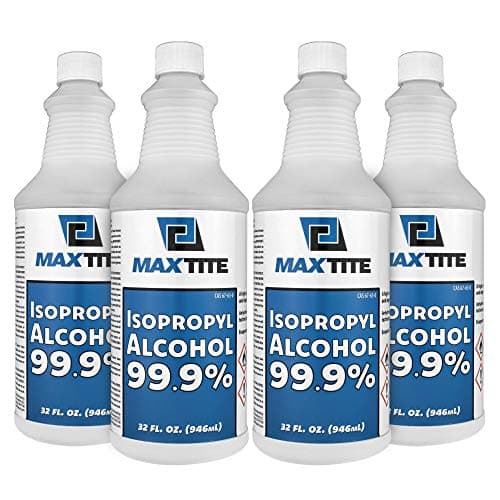
Why 99 percent alcohol
Isopropyl alcohol dissolves uncured resin; the water in lower grades does not, and it stays in the print. A 70 percent solution is 30 percent water, which slows the wash, gets trapped in recesses, and leaves a surface that cures unevenly.
99 percent also evaporates faster, so parts dry sooner and are ready to cure sooner. It is more expensive per bottle and cheaper per print.
Making it last
Used alcohol can be reused for several washes. Let it stand so the dissolved resin settles, decant the clear alcohol into a clean container, and keep the sludge for disposal. A two-container system — a dirty first wash and a clean second — extends the clean bottle considerably.
Disposal, which is the part people skip
Formlabs publish disposal guidance treating resin and resin-containing waste as chemical waste rather than household waste Formlabs. Used alcohol contaminated with uncured resin inherits that classification.
The workable method is to cure it: uncured resin becomes inert solid plastic under UV. Leave contaminated alcohol in a clear container in sunlight or under a lamp until the suspended resin cures into solids, decant the clear alcohol for reuse or disposal, and bin the solids. Resin-covered paper towels get cured under UV before they go anywhere.
Water washable resin does not escape this. The rinse water is contaminated with uncured resin and needs the same treatment — see water washable resin.
Do you need a wash and cure station?
Not to start. A sealed container of alcohol and a UV lamp, or even direct sunlight, will cure a print.
What a station buys is consistency and containment. Timed wash and timed cure means every print gets the same treatment, which matters because inconsistent post-processing produces problems that look like exposure problems — see resin exposure settings. The enclosure also keeps resin off surfaces and reduces the smell, which is a safety benefit as much as a convenience.
The rest of the kit
A wipeable work mat. Turns the inevitable drip into a five-second problem.
Paper towels, in quantity, and a plan for curing them before disposal.
A plastic scraper for the build plate. Metal gouges it.
Flush cutters for supports, used while the part is still slightly warm from the wash.
A funnel and a fine filter for returning unused resin from the vat to the bottle without cured fragments.
Every pick, in detail
01
Nitrile Disposable Gloves
Generic
Non-negotiable · 9.5/10 our fit score
Not optional. Formlabs' own safety guidance is explicit that liquid resin needs non-reactive nitrile or neoprene gloves.
Published specifications for Nitrile Disposable Gloves
+ − What alcohol should I use to wash resin prints?
99 percent isopropyl alcohol. Lower grades contain water, which does not dissolve resin, slows the wash, and stays in recesses where it causes uneven curing.
+ − Do I need a wash and cure station?
Not to start — a sealed container of alcohol and a UV lamp works. The station buys consistency and containment, which matters because inconsistent post-processing produces problems that look like exposure problems.
+ − How do I dispose of resin-contaminated alcohol?
Cure it out. Leave it in a clear container under UV or sunlight until the suspended resin becomes solids, decant the clear alcohol, and bin the cured solids. Formlabs treat resin waste as chemical waste rather than household waste.
+ − Can I reuse wash alcohol?
Yes, several times. Let it stand so dissolved resin settles, decant the clear alcohol, and keep the sludge for disposal. A dirty first wash and a clean second wash makes the clean bottle last much longer.