Resin printing is safe with three specific precautions and genuinely risky without them. Formlabs publish the clearest public guidance on this, and the important detail is that sensitization builds up over months rather than happening on first contact.
How this page is funded. Buy links go to Amazon and we earn a commission on qualifying purchases at no extra cost to you. Commission never decides an order or a score, we accept no free products or sponsored placements, and every roundup names something to skip. Full disclosure.
The picks, ranked
The picks, ranked
#
Product
Best for
Score
Price
1
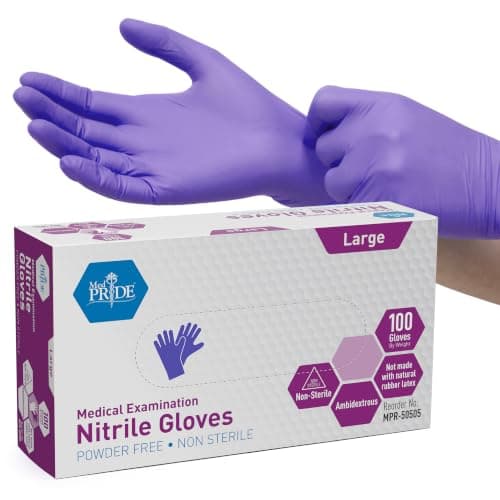
Nitrile Disposable GlovesFormlabs' safety guidance is explicit that liquid resin needs non-reactive nitrile or neoprene gloves. Latex is not on that list.Nitrile, non-reactive
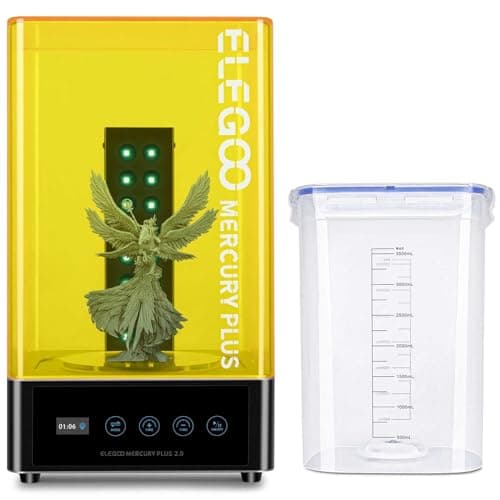
Wash and Cure StationAn enclosed wash keeps resin off surfaces and out of the air, which is a safety benefit as much as a convenience.Enclosed wash and UV cure
Live prices verified October 17, 2026. Scores are our own fit rating for the stated use, not a measurement and not a customer rating.
Gloves and safety equipment laid out on a workshop bench.
The risk people underestimate
The danger of liquid photopolymer resin is not that it burns on contact. It is that it is a sensitizer: repeated skin exposure can produce an allergic response that develops over time, and once developed it does not go away. People who handled resin carelessly for months and were fine can become unable to be in the same room as it.
Formlabs' safety guidance is explicit that liquid resin requires non-reactive gloves — nitrile or neoprene — and that skin contact should be prevented rather than cleaned up after Formlabs. That framing matters: the goal is zero contact, not prompt washing.
The three requirements
1. Gloves, every time
Nitrile, for every part of the workflow that touches liquid resin: pouring, handling the vat, removing the print, washing, and cleaning up spills. The print is covered in liquid resin until it has been washed and cured — that is the step where people most often go bare-handed and it is the wettest.
2. Ventilation
Resin printing produces volatile compounds and the smell is the obvious sign. Print in a ventilated space: a window, an extractor, or a room you are not sleeping in. An enclosed printer helps contain it but does not remove it from the room.
3. A disposal plan, before you need one
Uncured resin and contaminated wash solvent are chemical waste. Formlabs publish specific guidance for disposing of resin and cartridges Formlabs, and the principle carries over to everything resin has touched.
The practical method: cure it. Uncured resin becomes inert solid plastic under UV. Leave contaminated alcohol or water in a clear container in sunlight until the suspended resin cures out, decant the clear liquid, and dispose of the solids as solid waste. Paper towels with resin on them get cured under UV before going in the bin.
The rest of the workflow
Eye protection when pouring. A splash into an eye is the one exposure route where prompt action matters most.
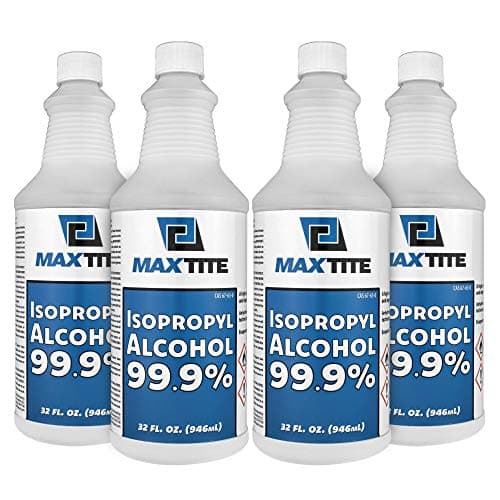
Keep alcohol away from the cure lamp. 99 percent isopropyl alcohol is flammable and a UV cure station is a heat source. This gets overlooked in a small workspace.
Do not eat or drink at the printer. Resin transfers invisibly to surfaces.
Cover the work surface. A wipeable mat contains spills and makes the inevitable drip a five-second problem.
Keep it away from children and pets. Liquid resin looks like nothing in particular and a curious animal will not know better.
Does this make resin not worth it?
For plenty of people, honestly, yes — and that is a legitimate conclusion rather than a failure of nerve. If you do not have a ventilated space, or you print in a room you sleep in, or you cannot reliably keep chemicals away from a household, filament does most of what resin does with none of this.
We work through that decision without a thumb on the scale on is resin printing worth it. Nothing on this site is trying to sell you a resin printer.
Every pick, in detail
01
Nitrile Disposable Gloves
Generic
The non-negotiable one · 9.5/10 our fit score
Not optional. Formlabs' own safety guidance is explicit that liquid resin needs non-reactive nitrile or neoprene gloves.
Published specifications for Nitrile Disposable Gloves
Yes. Formlabs' safety guidance requires non-reactive nitrile or neoprene gloves for handling liquid resin. The risk is sensitization, which builds up over repeated exposure rather than appearing on first contact.
+ − Are latex gloves good enough for resin?
No. Latex is permeable to some resin components. Nitrile is the standard choice and is cheap enough that there is no reason to use anything else.
+ − How do I dispose of used resin and alcohol?
Cure it. Uncured resin becomes inert solid plastic under UV, so leaving contaminated liquid in a clear container in sunlight lets the resin cure out as solids, after which the clear liquid can be decanted and the solids binned. Formlabs treat resin waste as chemical waste.
+ − Can I resin print in a bedroom?
We would not. Resin printing produces volatile compounds and needs ventilation, and a room you sleep in is the worst place for continuous low-level exposure. A garage, a shed or a ventilated spare room is a much better fit.