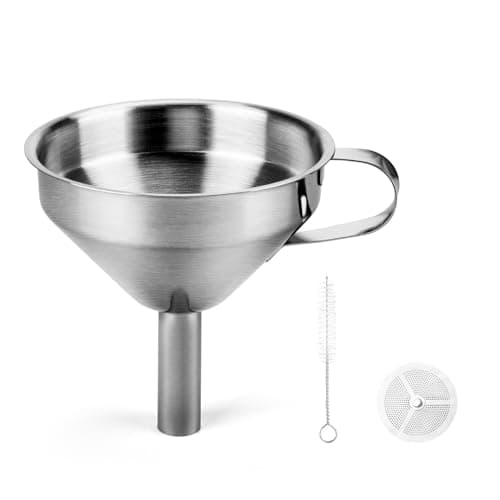
Yes — unlike filament, photopolymer resin genuinely has a shelf life, and heat and light both shorten it. Formlabs publish the two numbers that matter: store it between 10 and 25 C, and expect a bottle to arrive with at least 25% of its shelf life left. If a bottle has thickened or gone clumpy, that is the end of it, and a stainless funnel with a filter is how you find out before it ruins a print.
How this page is funded. Buy links go to Amazon and we earn a commission on qualifying purchases at no extra cost to you. Commission never decides an order or a score, we accept no free products or sponsored placements, and every roundup names something to skip. Full disclosure.
The picks, ranked
The picks, ranked
#
Product
Best for
Score
Price
1
ELEGOO Stainless Steel Resin FunnelA filtered funnel catches cured specks and clumps on the way back into the bottle. It is the cheapest diagnostic in resin printing and the one most people skip.Stainless steel, filtered
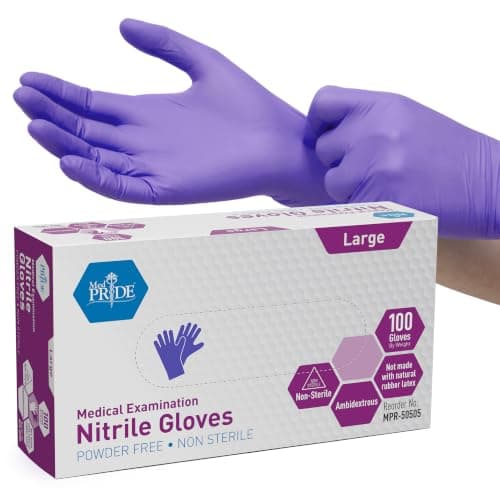
Nitrile Disposable GlovesNot optional, and least optional on a bottle you are about to shake and decant. Sensitization is cumulative, so the risk is the total number of contacts rather than any single one.Nitrile, non-reactive
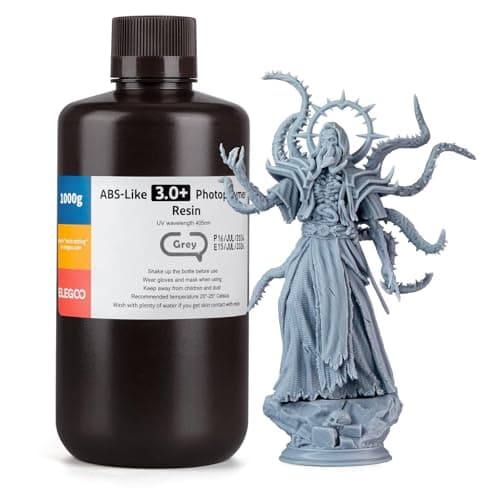
ELEGOO ABS-Like ResinIf a bottle has thickened past use, the right move is a fresh one rather than a rescue attempt. This is the default, and availability is a real feature for a heavy liquid.405 nm, widely stocked
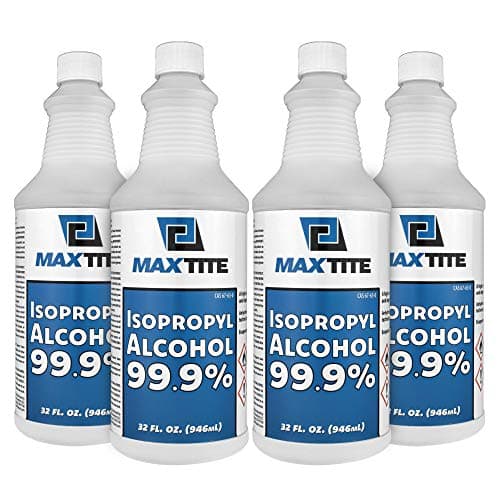
99% Isopropyl AlcoholDecanting old resin is messy. Keep the wash solvent to hand and do not use it to thin resin, which is a persistent and bad piece of internet advice.99% IPA
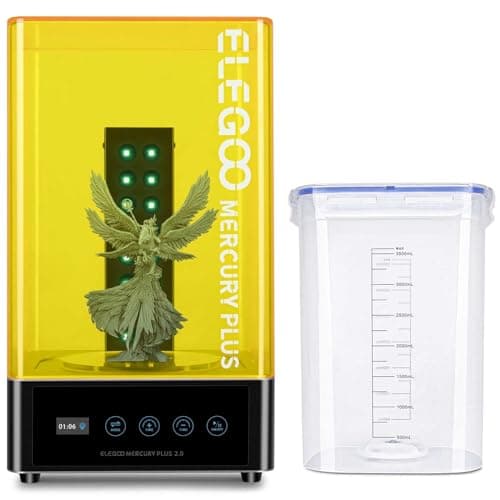
Wash and Cure StationA good purchase for the workflow and no help at all here. Longer curing does not rescue resin that has partially polymerized in the bottle — it is the wrong end of the process.Washing and curing onlySkip this
Live prices verified October 30, 2026. Scores are our own fit rating for the stated use, not a measurement and not a customer rating.
Gloves and cleaning supplies beside a resin 3D printer.
What Formlabs publish about resin storage and shelf life, and what it means for a hobby printer.
Published guidance
The figure
What to do about it
Storage temperature
10-25 C (50-77 F)
A heated garage or a sunny shelf is the problem; a cupboard indoors is not
Shelf life remaining on purchase
At least 25%
A 24-month resin can ship up to six months before expiry
What shortens it
Heat and light, both significantly
Opaque container, out of sunlight, room temperature
Short-term freezing in transit
Generally not harmful
Thaw fully, then shake thoroughly before use
Signs of expiration
Unusually high viscosity, or clumps
Do not print it; replace the bottle
Long-term storage container
Opaque HDPE or polypropylene
Other plastics may leak
What Formlabs publish about resin storage and shelf life, and what it means for a hobby printer. Formlabs publish this for their own resins and their figures are the clearest public guidance available. Treat them as the right shape for consumer resin, and check your own bottle's maker for a specific lifetime. Figures from Formlabs, retrieved 2026-10-30.
Why resin expires and filament does not
Filament is already a solid polymer; the only thing that happens to it on a shelf is that it absorbs water, which is why does filament expire answers with a humidity ceiling rather than a date.
Liquid photopolymer resin is the opposite. It is a reactive mixture waiting to polymerize, and the two things it reacts to — light and heat — are present in any room. Formlabs state it directly: light and temperature both significantly affect shelf life, and high heat shortens it Formlabs. A bottle is not inert, it is patient.
How long a bottle actually lasts
There is no single number, because lifetime varies by resin type — Formlabs list it per material rather than publishing one figure Formlabs. What they do publish is more useful than an average would be: their cartridges ship with at least 25% of shelf life remaining, and they give the worked example that a resin with a 24-month shelf life may ship up to six months before its expiration date Formlabs.
Read that the right way round. It is a guarantee of a minimum, not a promise of a maximum, and it tells you the thing you actually need: the clock was already running when the bottle arrived. If you buy resin in bulk because shipping a heavy liquid is expensive, that is the fact to plan around.
Reading the date off the bottle
Formlabs publish two labeling formats and both are worth knowing because the convention is common across the category Formlabs.
A lot number in YYYYMMDD form is the manufacture date. Their guidance is that a lot numbered 2020 or earlier is likely past its recommended lifetime, and their worked example is a Clear Resin lot of 20190531 printing reliably until at least 31 May 2021 — a two-year window from manufacture.
Some bottles carry a sticker with the lot number on the left and the expected lifetime in YYYY-MM form on the right, which is the easier case.
If your bottle has neither, you are estimating from the purchase date. That is fine — the failure signs below are reliable enough that you do not need the paperwork.
How to tell a bottle has gone
Formlabs name two signs of expiration specifically: unusually high viscosity, and clumps Formlabs. Both are detectable before you waste a plate, and the order to check them in is this.
Shake it and watch how it moves. Resin that has noticeably thickened against how it poured when new is the clearest signal. A thick resin also drains badly off the model, so even if it cures you will fight cleanup.
Pour it through a filter. This is what the funnel is for. Clumps, skins and cured specks collect in the mesh instead of in your vat, and a filter that catches gel is an answer rather than a question.
Print a small exposure test, not a plate. Partially aged resin often prints — badly. Soft parts, failed thin features and poor adhesion at the plate all look like exposure problems and send people off to re-tune settings that were never wrong. Our exposure settings page covers the test; run it before you blame the printer.
Storing it so the question does not come up
Four instructions, all published, all cheap to follow.
10 to 25 C. Formlabs’ stated range for best performance and shelf life Formlabs. This rules out the two places people naturally put resin: an unheated garage in winter and a hot one in summer.
Out of sunlight, in a dry, cool, ventilated space. For long-term storage their recommendation is to transfer resin into an opaque container, specifically a wide-mouth opaque HDPE or polypropylene bottle, because other materials may leak Formlabs.
Upright, with the cap closed, and not in the printer. Formlabs’ cartridge guidance is explicit that storing in the machine leads to leaks and spills, and that the storage area should be checked for leaks regularly Formlabs.
Do not pour unused resin back into the bottle. Their instruction, and the reason is contamination Formlabs. Resin that has been in the vat has picked up cured fragments and dust. This is the single most common way a good bottle is turned into a bad one.
Freezing, for what it is worth, is the one scare that is not one: short-term freezing in transit is generally not detrimental to shelf life, provided you thaw the bottle and shake it thoroughly before use Formlabs.
Resin left in the vat is a different clock
Everything above is about the bottle. Resin sitting in the vat is exposed to room light through the housing and to whatever the last print left behind, and it degrades faster. The sensible habits are to cover the vat, and to filter when you decant rather than tipping it straight back.
Can you reuse vat resin? Yes, filtered, and into a separate labeled container rather than back into the original bottle. That keeps the contamination in one place and leaves your sealed stock clean. The gloves apply the entire time — sensitization is cumulative and this is the messiest step in the whole workflow Formlabs.
If it has expired, you cannot just bin it
Uncured resin is the problem, not the bottle. The disposal obligation is the same one that applies to contaminated alcohol and failed prints, and Formlabs publish the procedure Formlabs. The short version is that uncured resin must not go down a drain or into household waste; the standard hobby approach is to cure the waste solid under UV first, which turns a liquid problem into a solid one.
Our resin cleanup page covers this properly, including the part people skip. It is worth reading once before you have a dead 1 kg bottle to deal with.
The verdict
Buy resin in quantities you will use within a year, store it indoors between 10 and 25 C and out of the light, keep the cap shut, and never pour vat resin back into the bottle. Check viscosity and filter on the way in. If a bottle has thickened or gone clumpy, it is finished — replace it, cure the remainder solid, and do not try to thin it with alcohol.
Every pick, in detail
01
ELEGOO Stainless Steel Resin Funnel
ELEGOO
Best for finding out before a print fails · 8.8/10 our fit score
The cheapest thing on this page and the one that extends film life most, because it removes the cured fragments that dent film.
Published specifications for ELEGOO Stainless Steel Resin Funnel
Yes. Unlike filament, liquid photopolymer resin has a genuine shelf life, and Formlabs state that light and temperature both significantly affect it. Lifetime varies by resin type, but their labeling guidance implies a roughly two-year window from manufacture, and their cartridges ship with at least 25% of shelf life remaining.
+ − How can I tell if my resin has expired?
Formlabs name two signs: unusually high viscosity, and clumps. Shake the bottle and compare how it moves against how it poured when new, then pour it through a filtered funnel so any skins or cured specks are caught outside the vat. Run a small exposure test rather than a full plate, because aged resin often prints badly rather than not at all.
+ − Can you still use old resin?
If it pours normally and filters clean, yes — shake it thoroughly first, because pigments settle during storage and a settled bottle cures unevenly. If it has thickened noticeably or contains clumps, no. Thinning it with isopropyl alcohol is a popular idea and a bad one; it changes the cure behavior and weakens the part.
+ − Can I pour leftover resin back into the bottle?
Formlabs say no, and the reason is contamination — resin that has been in the vat has picked up cured fragments and dust, and putting it back puts that into your sealed stock. Filter it into a separate labeled container instead, and keep the gloves on while you do it.
+ − What temperature should resin be stored at?
Between 10 and 25 C, or 50 to 77 F, which is Formlabs’ stated range for best performance and shelf life. Store it upright, out of direct sunlight, with the cap closed, and not inside the printer. For long-term storage they recommend transferring it to a wide-mouth opaque HDPE or polypropylene bottle.