Replacement schedules for 3D printer parts are guesswork dressed as maintenance. Every part here fails with a specific, recognizable symptom, and reading the symptom is more reliable than counting hours.
How this page is funded. Buy links go to Amazon and we earn a commission on qualifying purchases at no extra cost to you. Commission never decides an order or a score, we accept no free products or sponsored placements, and every roundup names something to skip. Full disclosure.
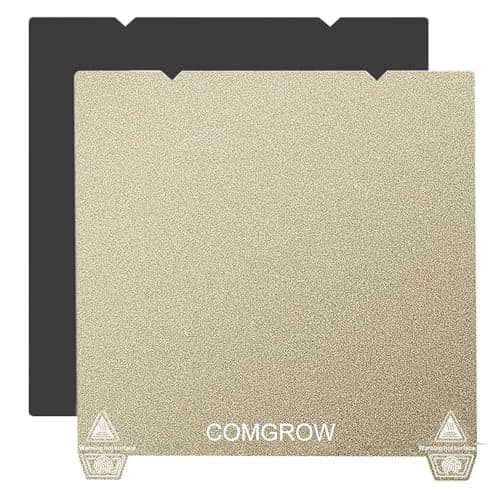
Textured PEI Spring Steel PlatePlates are consumable. Patchy adhesion that survives a proper wash means the surface, not the cleaning.Textured PEI spring steel
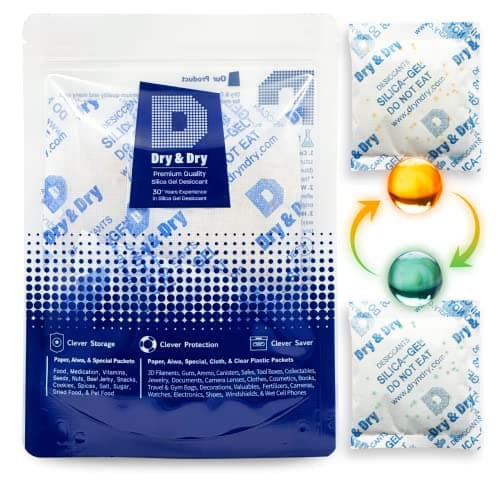
Indicating Silica Gel Desiccant PacketsThe only consumable here that tells you its own state, which is exactly why it is worth paying for the indicating kind.Color-indicating
Live prices verified October 17, 2026. Scores are our own fit rating for the stated use, not a measurement and not a customer rating.
Printer spares and tools laid out on a bench.
Why there is no schedule
Wear depends on what you print, how much, and at what temperature. A nozzle running plain PLA lasts effectively forever; the same nozzle running carbon fiber shows substantial wear within a few hundred grams E3D. Any hour figure that ignores the material is a number invented to sound like advice.
So the useful framing is symptomatic. Each part below has a distinct failure signature, and each has a cheaper thing to try first.
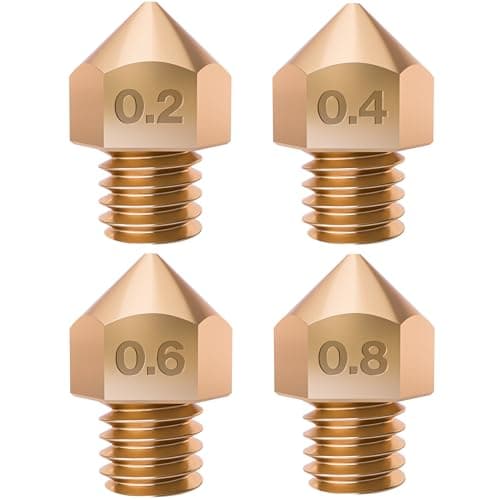
Nozzle
Clean it when
Under-extrusion appears, especially intermittently
Extrusion stops partway through a print
The extruder clicks or skips
Replace it when
Cleaning does not restore normal behavior
Parts come out consistently oversized and flow calibration keeps needing to be reduced
The tip is visibly scored or the orifice is out of round against a new one
The full distinction is on the nozzle wear guide, and it matters because a clog and wear point in opposite directions.
Build surface
Clean it when
Adhesion fails across the whole plate
Failure location moves between prints
The surface looks glossy where it should be matte
Dish soap and warm water, not alcohol alone. Skin oil is the leading cause and alcohol does not remove it reliably — see bed adhesion.
Replace it when
Adhesion fails in the same specific spots after a proper wash
There are visible gouges, or pits where PETG tore material out
The texture is worn smooth in the middle of the plate
PTFE tubing
Replace when
The hot-end end is discolored or deformed
The bore has visibly widened where it meets the nozzle
A clog recurs after the nozzle has been cleaned or replaced
Check the coupler at the same time. Worn coupler teeth let the tube creep, leaving a gap where filament collects — this is a recurring clog that looks like a nozzle fault and is not. See PTFE and spares.
Desiccant
The one consumable that reports its own state, provided you bought the indicating kind. Regenerate when the color changes, per the manufacturer's instructions, and do it away from your filament.
A saturated desiccant packet in a sealed box is doing nothing at all, and the box will read close to room humidity — which is why a hygrometer in the container is what makes the whole system verifiable. See desiccant and vacuum bags.
The habit worth having
Write the date on the nozzle when you fit it, and note roughly what has gone through it. When flow calibration starts drifting six months later, that one note answers the question in seconds instead of costing an evening.
The same applies to build plates. Knowing a plate is two years old and has printed mostly PETG makes patchy adhesion an easy call rather than a mystery.
Every pick, in detail
01
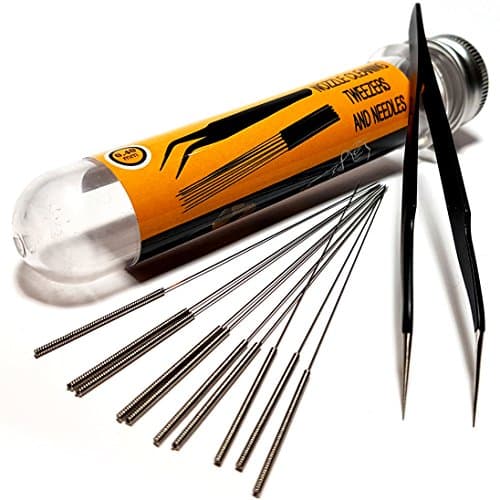
Nozzle Cleaning Needle Kit
Generic
The step before replacing · 8.6/10 our fit score
Two dollars that saves a nozzle change. Keep one in the drawer and use it before you conclude the nozzle is dead.
Published specifications for Nozzle Cleaning Needle Kit
Contents
Assorted needles, usually 0.2-0.6 mm
What it does well
Clears a partial clog in a minute without disassembling the hotend
The needles double as a way to confirm the bore is the size printed on the nozzle
What it does not
A cold needle in a cold nozzle achieves nothing; heat the hotend first
Over-enthusiastic use can scratch the bore and make extrusion worse
By symptom rather than schedule. Replace when cleaning does not restore normal behavior and parts come out consistently oversized. With abrasive filament that can be within a few hundred grams; with unfilled filament it is effectively indefinite.
+ − How long does a PEI build plate last?
Until adhesion fails in the same specific spots after a proper wash. Uniform failure is contamination; patchy failure in fixed locations is surface damage and does not recover.
+ − When should I replace PTFE tubing?
When the hot-end end is discolored or deformed, or when a clog recurs after the nozzle has been cleaned. Check the coupler at the same time, because a worn coupler causes the same symptom.