PVB is the filament you smooth with alcohol instead of sandpaper. It prints on any printer at PLA temperatures, and a vapor or wipe of isopropyl closes the layer lines into a gloss no amount of sanding matches. The trade is in the same sentence: a material alcohol dissolves is a material moisture affects.
How this page is funded. Buy links go to Amazon and we earn a commission on qualifying purchases at no extra cost to you. Commission never decides an order or a score, we accept no free products or sponsored placements, and every roundup names something to skip. Full disclosure.
The picks, ranked
The picks, ranked
#
Product
Best for
Score
Price
1
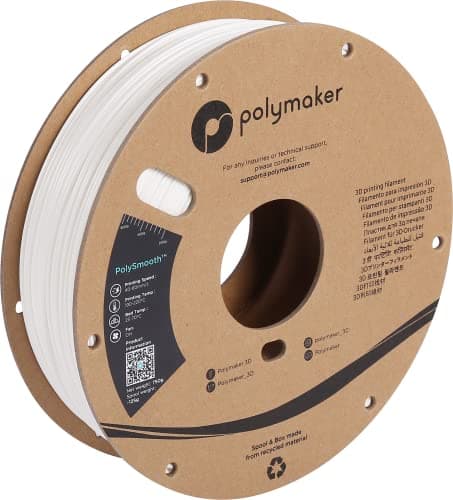
Polymaker PolySmooth PVBThe line the technique was built around, with a full published settings table. Polymaker are clear that it needs no special printer.190-220 C, no chamber, alcohol smoothable
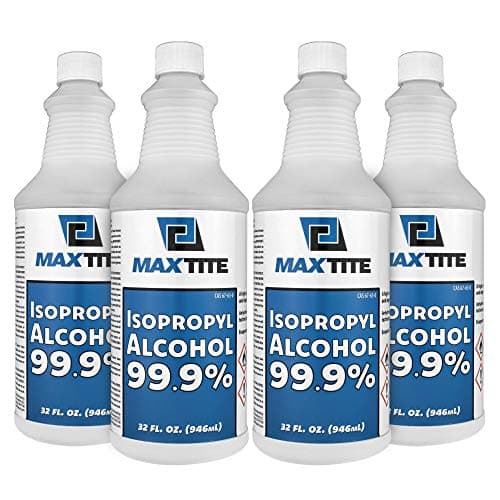
99% Isopropyl AlcoholPVB is soluble in alcohol, which is the entire point. Buy this with the spool or the spool is just an expensive PLA substitute.99% isopropyl alcohol
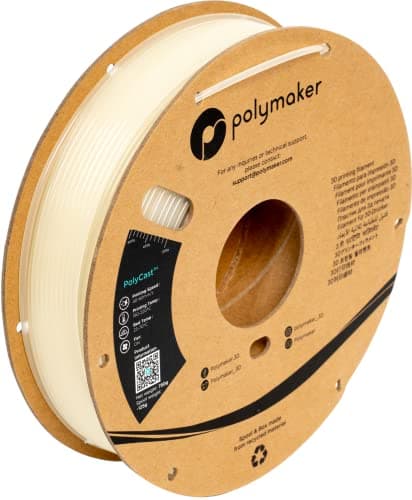
Polymaker PolyCast PVBSame PVB printing window, formulated as a casting pattern. Polymaker publish the burnout temperature, which is the number a foundry asks for.Burns out at 1,100-1,200 C
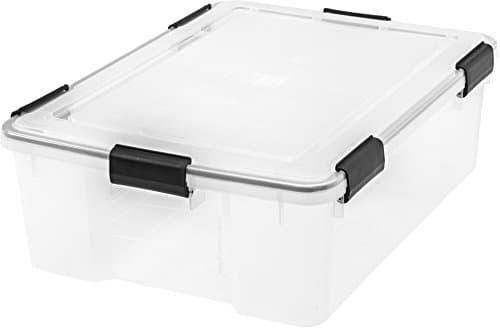
Airtight Weathertight Storage BoxPolymaker publish 50 C for 12 hours to dry PVB. Storing it sealed is cheaper than drying it, and this material rewards the habit.Sealed box for spools
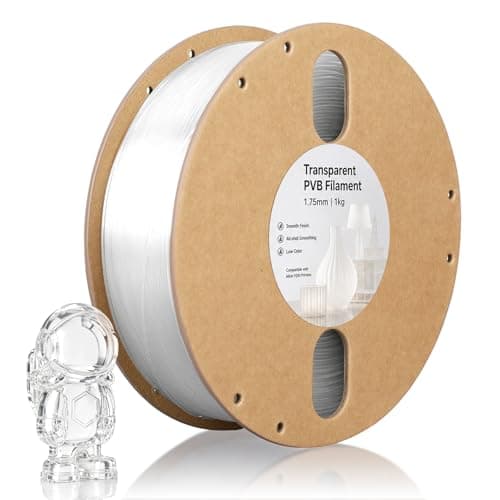
Innconee Transparent PVBA full kilogram where the documented options ship 750 g, and smoothing a clear part is the most rewarding version of this trick. No published settings from the maker.Transparent PVB, 1 kg
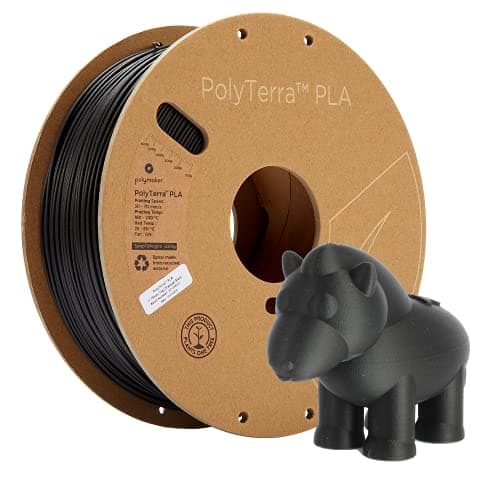
Polymaker PolyTerra PLAMatte additives make layer lines harder to see. PVB and alcohol remove them. If the goal is a seamless surface, the finish trick is not a substitute for the chemistry.Matte finish, hides linesSkip this
Live prices verified September 27, 2026. Scores are our own fit rating for the stated use, not a measurement and not a customer rating.
A glossy smoothed printed part on a workbench.
Published PVB settings. Both Polymaker lines print identically.
Spool
Nozzle (C)
Bed (C)
Chamber
Drying
Polymaker PolySmooth
190-220
25-70
Not needed
50 C, 12 h
Polymaker PolyCast
190-220
25-70
Not needed
50 C, 12 h
Published PVB settings. Both Polymaker lines print identically. Both cap out at a recommended 15 mm3/s maximum volumetric speed, with the top of the temperature range reserved for printing that fast. Slower than PLA, on the same hardware. Figures from Polymaker, Polymaker, retrieved 2026-09-27.
Why anyone buys PVB
Every other route to a layer-free print is work. Sanding is slow and rounds off detail; filler primer needs several coats; acetone vapor only works on ABS, which brings an enclosure and ventilation with it. PVB is soluble in alcohol, so a vapor bath or a careful wipe softens the outer surface and lets it flow into a gloss.
Polymaker describe PolySmooth as engineered for hands-free post-processing, smoothed with alcohol vapor, and note that it prints on most desktop printers with no special requirements Polymaker. The published window is ordinary: 190 to 220 C at the nozzle, a 25 to 70 C bed, fan on, no chamber Polymaker.
What decides a PVB buy
Is the part cosmetic? PVB exists for display pieces, prototypes shown to clients, and anything where a visible layer line is the failure. It is not a structural material.
Do you have the alcohol and somewhere to use it? Smoothing means alcohol vapor in a closed container, which needs ventilation and a surface you do not mind losing.
Can you print slowly? Polymaker recommend a maximum volumetric speed of 15 mm3/s and raising the temperature to 220 C if you print at that ceiling Polymaker. On a fast printer that is a deliberate slowdown.
Can you store it sealed? Polymaker publish 50 C for 12 hours as the drying setting Polymaker. A material that dissolves in alcohol is not one to leave open on a humid bench — the storage options are on how to store filament.
Is this actually a casting job? If the printed part is a pattern rather than the product, PolyCast is the same material formulated for burnout, and Polymaker publish 1,100 to 1,200 C for a complete burn Polymaker.
Smoothing it without melting it
Alcohol does not politely stop at the surface. The technique is vapor, not immersion, and the difference between a glossy part and a slumped one is exposure time.
Use vapor in a closed container. Alcohol on a paper towel inside a sealed box, part suspended above it, checked every few minutes. Polymaker sell a dedicated Polysher for exactly this, which is the hands-free version of the same idea Polymaker.
Buy the high-concentration alcohol. The 99 percent grade evaporates cleanly; the water in weaker grades lingers on the surface and in the part.
Expect detail loss at the edges. Smoothing is controlled melting. Fine text and sharp corners soften first, which is the argument for printing detail slightly crisper than you want it to end up.
Let it dry hard before handling. A freshly smoothed surface is soft and takes fingerprints permanently.
Ventilate. Isopropyl is flammable and the vapor is the working fluid here. Same rules as resin work, which are on resin cleanup.
The limits, which follow from the chemistry
A material that dissolves in alcohol has predictable weaknesses, and they are not marketing problems — they are the reason PVB is a display material.
Alcohol contact is permanent. Hand sanitizer, glass cleaner and solvent wipes will all mark a finished part.
Moisture matters more than with PLA. Polymaker publish a drying setting rather than treating it as optional Polymaker.
It is not a heat material. Nothing in the published window suggests otherwise, and the temperature ranking across materials is on most heat resistant filament.
It costs PLA-plus money for PLA-class mechanical properties. You are paying for the finish, not the part.
The casting version is a different product
PolyCast is PVB formulated as an investment casting pattern: print the pattern, invest it, burn it out, pour metal. Polymaker publish the same printing parameters as PolySmooth and a burnout temperature of 1,100 to 1,200 C to burn out entirely Polymaker.
For jewelry that competes with castable resin, which is the other route to the same result and is covered on castable resin for jewelry. The practical difference is the printer you already own: PolyCast needs a filament machine, castable resin needs a resin one. The jewelry material comparison is on filament for jewelry.
When something else is the better buy
For a functional part: PETG or a toughened PLA+. Neither smooths, and both survive being used — PLA versus PETG.
For a glossy look without post-processing: silk PLA gives shine straight off the plate, at the cost of visible lines — matte and silk PLA.
For acetone smoothing: ABS, if you already have an enclosure and ventilation — best ABS filament.
For a translucent lit part: translucent PLA is cheaper and easier, and wall count matters more than finish — translucent PLA.
Every pick, in detail
01
Polymaker PolySmooth PVB
Polymaker
Layer-free display prints · 8.6/10 our fit score
The filament the alcohol-smoothing technique was built around, with a published settings table and no special hardware requirement.
Published specifications for Polymaker PolySmooth PVB
Display prints that need to look injection-molded. PVB is soluble in alcohol, so vapor smoothing closes the layer lines into a gloss without sanding. Polymaker describe PolySmooth as engineered for hands-free post-processing and printable on most desktop machines with no special requirements.
+ − What settings does PVB need?
Ordinary PLA-class settings, printed slower. Polymaker publish 190 to 220 C at the nozzle, a 25 to 70 C bed, cooling on, no chamber, and a recommended maximum volumetric speed of 15 mm3/s — with the top of the temperature range reserved for printing that fast.
+ − How do you smooth PVB prints?
With isopropyl alcohol vapor rather than immersion: alcohol on a towel in a sealed container, the part suspended above it, checked every few minutes. Polymaker sell a dedicated Polysher that automates the same process. Fine detail softens first, so stop earlier than you think.
+ − Is PVB waterproof?
Treat it as a display material, not an outdoor or wet-service one. Polymaker publish a drying setting of 50 C for 12 hours, which tells you the filament takes on moisture, and any alcohol contact will mark a finished surface.